
"Lead time: 15 days" is one of the least useful sentences in a filament quotation, because it does not say from when or for what. Here is how lead time is actually built, and how to plan around it.
The four clocks
| Stage | What happens | Typical range |
|---|---|---|
| 1. Sample and approval | Color match, spool and packaging proof, buyer sign-off | 3–10 days (custom color longer) |
| 2. Raw material | Polymer and masterbatch availability for the grade | 0–14 days depending on grade |
| 3. Extrusion and packing | Scheduled on the line, gauged, wound, boxed, cartoned | 7–20 days by volume |
| 4. Freight | Booking, loading, sailing, clearance, inland | Ocean 20–45 days door to door |
When a supplier says "15 days", they usually mean stage 3 only — with stages 1, 2 and 4 excluded. Always ask which clock is being quoted and what event starts it.
Why quotes differ so much
- Grade. Mainstream PLA and PETG run frequently; engineering grades may be scheduled in batches.
- Color. Stock color ships from inventory; custom color needs a masterbatch run and a sample approval.
- Packaging. Private label adds artwork proofing and a print run.
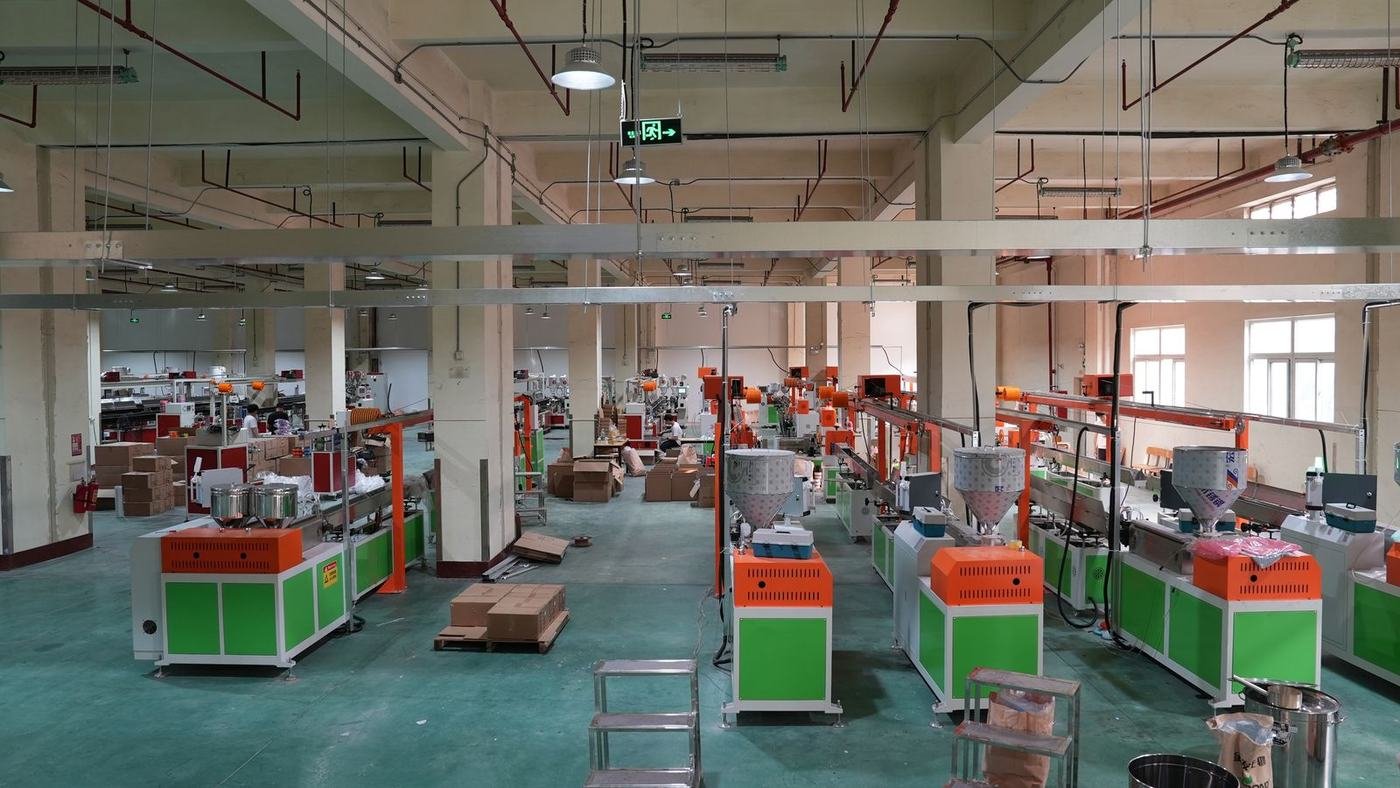
- Line scheduling. A factory running 60 lines can absorb an urgent order better than one running a handful — but only if your SKU is already scheduled.
- Seasonality. Freight and factory capacity tighten around major holidays and peak retail seasons.
Planning that removes emergencies
- Reorder point, not reorder panic. Calculate weeks of cover: (average weekly kilograms) × (lead time weeks + safety weeks).
- Forecast in kilograms, order in pallets. Suppliers schedule by weight; pallets are the shipping unit.
- Split the range. Keep your top three SKUs on a fast cycle and slower colors on a longer one.
- Hold color formulas. Approved formulas let reorders skip sampling entirely — often the single biggest lead-time saving.
- Book freight early. Space is cheaper and more predictable when booked ahead of the sailing.
Working with the factory on timing
Tell your supplier your realistic weekly consumption and let them propose a schedule. A factory would rather run your SKUs on a planned slot than squeeze them in; planned production is also better for batch consistency, because the line settings are stable.
VOXFIL defines lead time from a stated starting event — typically deposit plus approved sample — and confirms a production slot with the order acknowledgement. Ask for the schedule with your quotation via contact.
Frequently asked questions
What is a realistic lead time for filament production?
Extrusion and packing typically take 7–20 days depending on volume, plus raw-material availability, plus sample approval for custom colors, plus 20–45 days of ocean freight door to door. Ask which stage is being quoted.
How can I shorten filament lead time on reorders?
Hold approved color formulas with the factory so sampling is skipped, keep top SKUs on a regular cycle, forecast in kilograms, and book freight space early rather than at the last minute.
Why is custom color filament slower?
Because it requires a masterbatch run and a sample approval loop before production can be scheduled. Stock colors can often ship from inventory.